
Melissa Leilani Larson on creating ‘SNAIL MAIL’ for students in grades 4-6
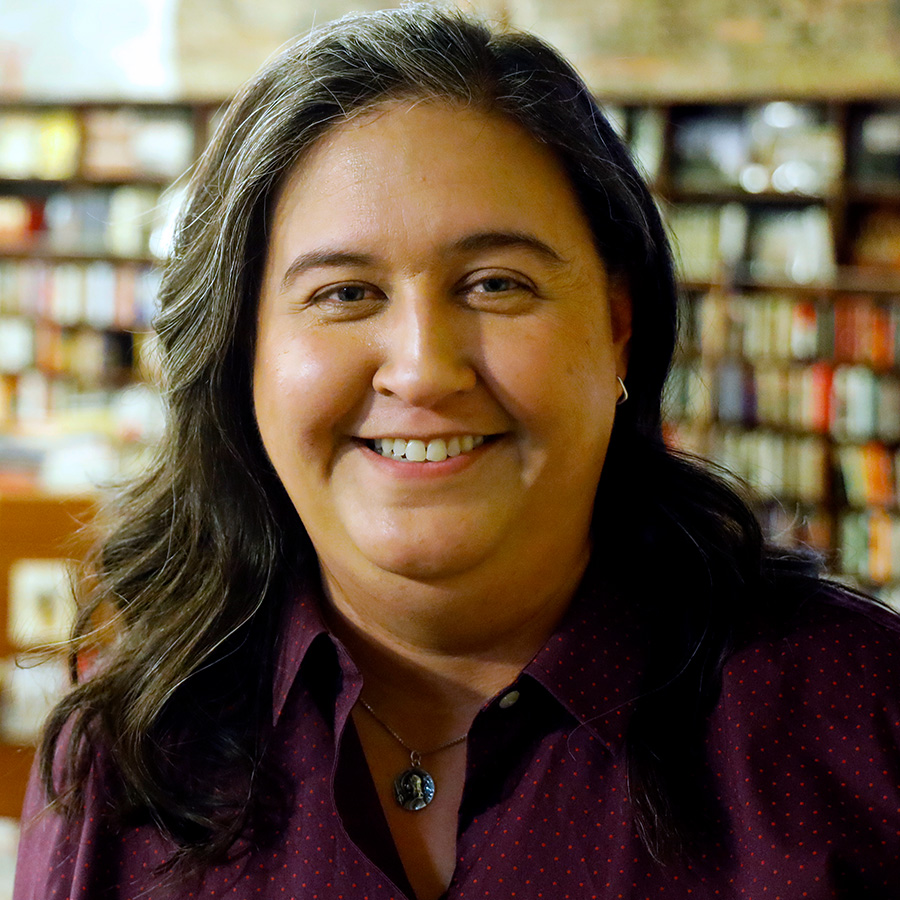 BY MELISSA LEILANI LARSON
Filipina playwright Melissa Leilani Larson's award-winning plays have been seen on five continents. She has premiered seven plays at Plan-B Theatre, including two for young audiences: the Free Elementary School Tour of THE EDIBLE COMPLEX for grades 4-6, and THE POST OFFICE, winner of the American Alliance for Theatre & Education (AATE) Distinguished Play Award. Her adaptation of PRIDE AND PREJUDICE has been staged nationwide. Her films include JANE AND EMMA and FREETOWN.
Mel has received the Association for Mormon Letters Smith-Pettit Foundation Award for her body of work. Member, Dramatists Guild of America; MFA, Iowa Playwrights Workshop.
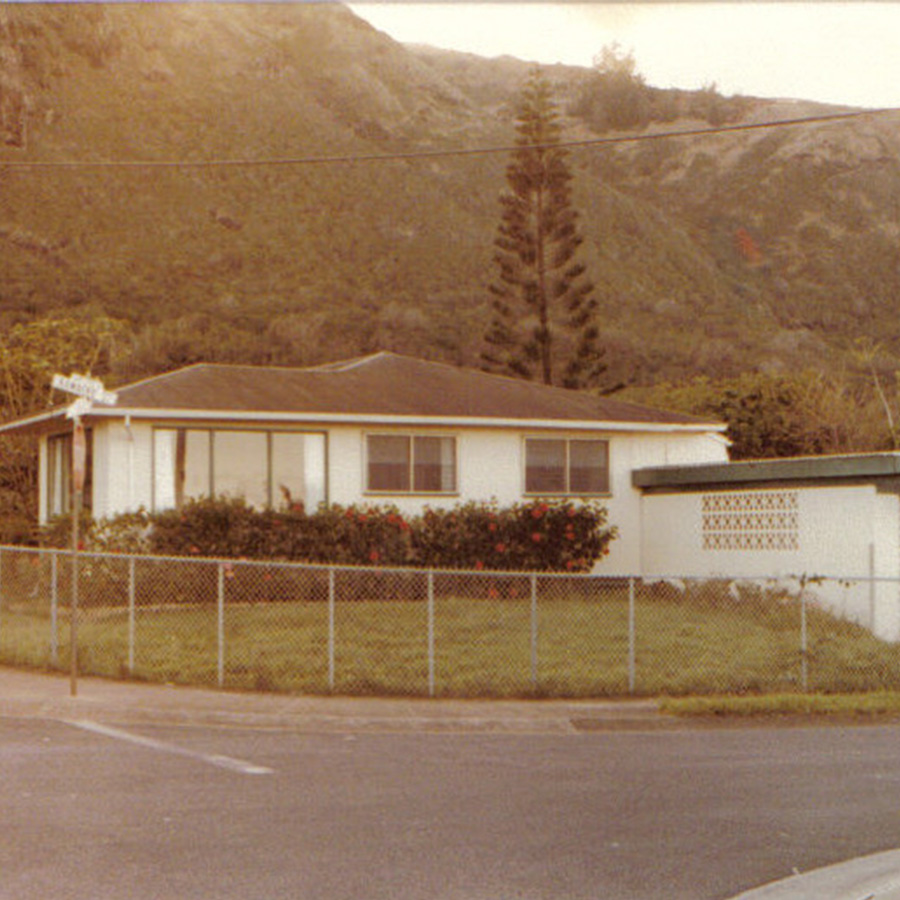
I was twelve years old in the summer of 1989. For almost the entirety of my life at that point, I had lived in the same three-bedroom house at the top of a hill on Kawaipuna Avenue in Hau’ula, a small town on the island of O’ahu’s iconic North Shore. I lived there my parents and my younger sister.
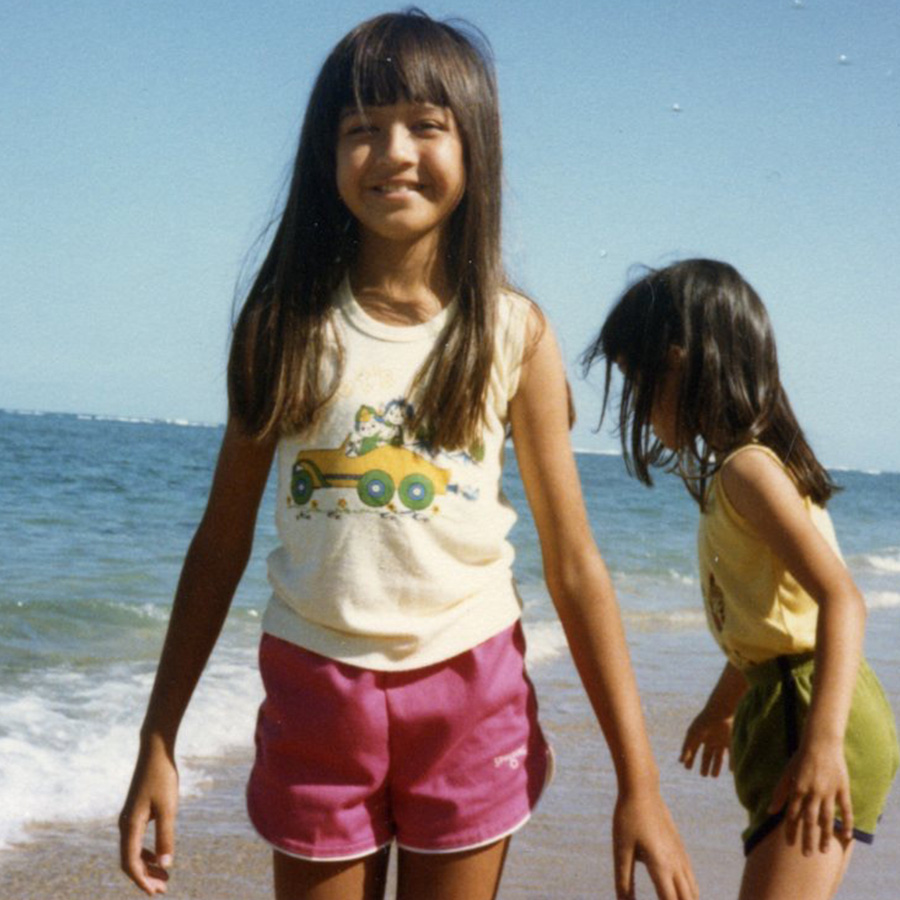
Our house was just a short walk from the beach. I can’t count the number of times we went down the hill to wade in the sun-warmed shallows. I’ve never been a strong swimmer and no, I’ve never been surfing (please and thank you). But standing ankle-deep in the perfectly clear Pacific was something that has yet to get old. Looking out at the water, at the horizon, and realizing just how big the ocean—and the world—actually was, was simultaneously sobering and beautiful to my 12-year-old self. Even the memory gives me chills to this day.
 I loved to read. I often spent post-lunch recess in the tiny school library, reading familiar favorites or scouring the shelves for new ones. I decided in the third grade that I would be a writer of books. For my eleventh birthday, I asked my parents for a typewriter: a portable Brother manual with chunky white keys and a pale blue shell. My intent was to write and distribute a weekly neighborhood newspaper. The newspaper never materialized, but numerous stories were composed on that machine.
While that main ambition of becoming a writer has remained relatively unchanged, throughout elementary school my chosen vocation swung wildly from firefighter to chef. In the sixth grade, I went on a field trip aboard a University of Hawai’i science vessel, watching professors and students gather samples of seawater. On the one hand, I was absolutely terrified to be out on the ocean; on the other, I was completely enthralled seeing science at work. That was the day I decided to be a marine biologist.
I’ll be the first to tell you that I really had no idea what it was that marine biologists did. Captivated by the massive beauty of the Great Barrier Reef, I didn’t ponder much about the idea that most marine biologists likely could swim and enjoyed terrifying pastimes like scuba diving. Or that they typically excel in scientific courses like zoology and chemistry.
 But my problems as an amateur scientist were only the beginning. The following summer, the relatively simple and straight road of my young life took an unexpected turn. Both my journalistic and scientific ambitions were completely upended. My dad had been offered a new job at BYU in faraway Utah. Our family would be moving there, and soon.
It was hard to wrap my head around the idea of not only moving but going so far away. I would have to meet new kids at a new school. Would my friends forget about me? Would the librarian let me hang out during lunchtime? At the same time that I was full of questions and fear, I was also inexplicably excited. I’ve always loved to travel and see new places, and all my experiences with snow and ice had been strictly limited to books and TV. The idea of wandering in an actual winter wonderland seemed impossible. Would I actually get to catch snowflakes with my tongue? Would I have to wear both shoes and socks to school every day? Would the kids at school accept me and my quirks? How long would it take me to make friends? Would anyone there look like me?
I didn’t want to go. Of course I didn’t. But I also didn’t have much of a choice. I had to figure out how to make the best of it. And while there were things I missed—the warmth of the rain and comfortable, drawling pace—I did eventually grow accustomed to Utah. I made friends, also managing to stay in touch for a while with old ones by writing letters. Letter-writing is a fading art, but it has always been important to me personally, and it has always played a vital role in my work. Perhaps it all goes back to that life-changing summer of 1989?
There was indeed a new school, and with it came adventures in concert band and pre-algebra. Not only was there a school library, but there was a big public library within walking distance. I begged my parents to let me spend the afternoons there. It was over the course of that first Utah winter, spent cozily in the old Provo City Library on Center Street, that I potentially read too many books on ancient Egypt—though that might be a story, or a play, for another day.
 A scant handful of years later (fine, fine, it’s been thirty-seven) I’ve now spent most of my life in Utah, and my childhood in Hawai’i has faded to a distant memory. Driving through a crisp winter night, so peaceful and beautiful in its own way, I will occasionally have fleeting thoughts of standing at the edge of the ocean while the pleasantly lukewarm water laps at my feet. Both places are a part of me.
Moving is one of those monumental events in a kid’s life that can be both unnerving and enriching. Recently, when the opportunity arose for me to write a play for Plan-B’s annual elementary school tour, my good friend and fellow playwright Jenny Kokai suggested, “Someone should write a play for young people about moving.” Jenny was so right: moving can be exhausting and overwhelming. At the same time, it can also be exhilarating and surprising. The idea was rather perfect for a play, and the seed for what would become SNAIL MAIL was planted.
One of the things I love about theatre is how well it can mimic, even mirror, our everyday lives. There is a lot going on in SNAIL MAIL—snatches of science, questions of friendship, a love letter to letter-writing—all set against the backdrop of a cross-country road trip. It seems like a lot, yes. But that’s what moving is when you’re 12: it’s a lot. Hopefully SNAIL MAIL offers upper elementary students a relatable glimpse into the experience of moving: because it's a lot.
 TICKETS
SNAIL MAIL by Melissa Leilani Larson receives its world premiere as Plan-B's 14th annual Free Elementary School Tour, serving students in grades 4-6 at 100 schools throughout Utah during the 2026/27 school year. Please click here for details on bringing SNAIL MAIL to your Utah school and to reserve tickets to free public performances.